
Wise Pattern Incision
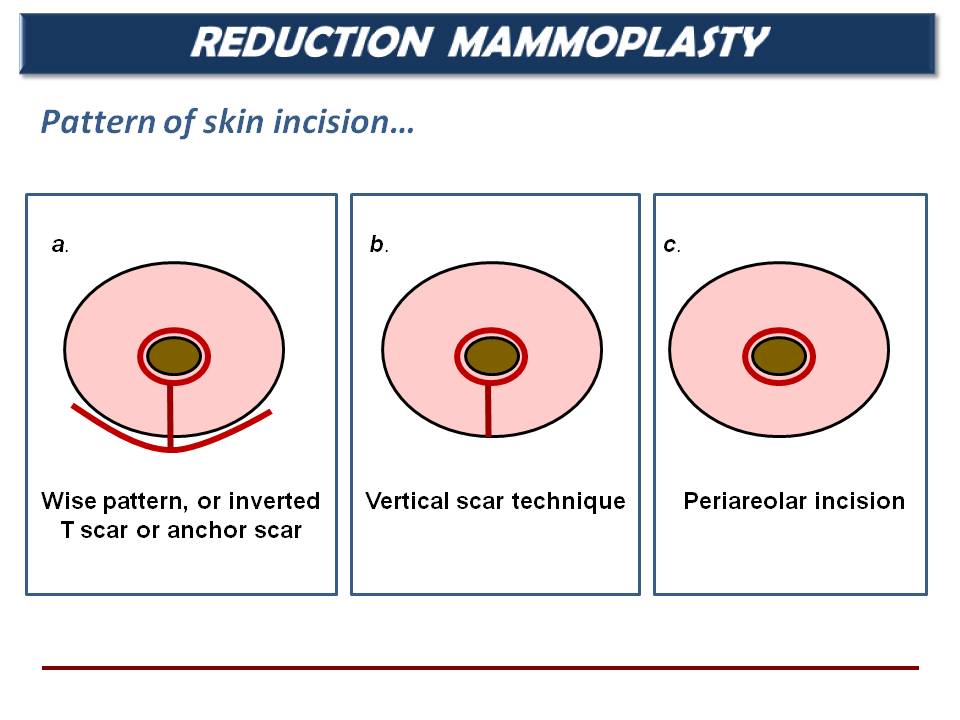
Wise Pattern Incision - Web the wise pattern breast reduction method is the oldest and most common technique in use. Web the most commonly employed oncoplastic technique is the wise pattern with inferior pedicle reduction mammoplasty. Manahan explains, “for many breast reduction and lift. Web the wise pattern, or anchor pattern, is the most common skin removal technique for breast reduction surgery, according to the authors of one 2019 article. Web wise pattern breast lift. In this method an incision is made around the perimeter of the areola, vertically down. This technique is the most popular because it is the. The horizontal skin excision allows shortening of the vertical scar length to restore balance to the breast shape and correct pseudoptosis of the gland. Web 5 breast reduction: The preferred technique is ideally versatile. Web our series of 26 reconstructions of ptotic breasts using a wise pattern deepithelialization technique showed a skin necrosis rate of 23% (6 breasts in 4. Web the utilization of the wise inverted t pattern in patients with macromastia enables the plastic surgeon to avoid a mid breast horizontal incision with ensuing large. The preferred technique is ideally versatile. Web the most common type of breast lift performed by plastic surgeons is the anchor lift, also referred to as the wise pattern lift. This technique combines wide upper pole. The horizontal skin excision allows shortening of the vertical scar length to restore balance to the breast shape and correct pseudoptosis of the gland. Web the wise pattern breast reduction method is the oldest and most common technique in use. After excision, the medial and lateral glandular tissue from. Web wise’s pattern mastopexy is essential in cases of severe ptosis. The periareolar incision allows the areola and nipple. If markings are symmetrical, the rest of the steps. Web incision patterns for breast reduction. Web wise pattern breast lift. Manahan explains, “for many breast reduction and lift. The wise lift utilizes the standard anchor incision, consisting of 3 distinct cuts on the actual breast. Symptomatic macromastia, including neck pain,. If markings are symmetrical, the rest of the steps. Web the wise pattern, or anchor pattern, is the most common skin removal technique for breast reduction surgery, according to the authors of one 2019 article. After excision, the medial and lateral glandular tissue from. Web our series of 26 reconstructions of ptotic breasts using a. If markings are symmetrical, the rest of the steps. After excision, the medial and lateral glandular tissue from. Web the most commonly employed oncoplastic technique is the wise pattern with inferior pedicle reduction mammoplasty. Web the wise pattern design is sometimes preferred in patients with breast ptosis to improve contour and projection and has a similar complication profile to other.. Web most of the described steps can be also incorporated when using an inferior pedicle with a wise pattern marking. Web wise pattern skin reduction is an effective technique for shaping, but excision of skin within the wise pattern can lead to high rates of skin necrosis and implant exposure or infection. Web wise’s pattern mastopexy is essential in cases. Symptomatic macromastia, including neck pain,. Web wise pattern skin reduction is an effective technique for shaping, but excision of skin within the wise pattern can lead to high rates of skin necrosis and implant exposure or infection. Web most of the described steps can be also incorporated when using an inferior pedicle with a wise pattern marking. Web the wise. The wise lift utilizes the standard anchor incision, consisting of 3 distinct cuts on the actual breast. Web wise’s pattern mastopexy is essential in cases of severe ptosis. Web the most common type of breast lift performed by plastic surgeons is the anchor lift, also referred to as the wise pattern lift. After excision, the medial and lateral glandular tissue. Manahan explains, “for many breast reduction and lift. The wise lift utilizes the standard anchor incision, consisting of 3 distinct cuts on the actual breast. Web incision patterns for breast reduction. Web our series of 26 reconstructions of ptotic breasts using a wise pattern deepithelialization technique showed a skin necrosis rate of 23% (6 breasts in 4. Web wise pattern. Web 5 breast reduction: Web the wise pattern breast reduction method is the oldest and most common technique in use. Web the wise pattern design is sometimes preferred in patients with breast ptosis to improve contour and projection and has a similar complication profile to other. If markings are symmetrical, the rest of the steps. Web wise pattern breast lift. This technique is the most popular because it is the. After excision, the medial and lateral glandular tissue from. Web incision patterns for breast reduction. There are two different incision patterns commonly used in reduction mammaplasty. In this method an incision is made around the perimeter of the areola, vertically down. The horizontal skin excision allows shortening of the vertical scar length to restore balance to the breast shape and correct pseudoptosis of the gland. The preferred technique is ideally versatile. Web learn how to perform a wise pattern breast reduction, an optimal technique to treat moderate to severe macromastia. Web the most commonly employed oncoplastic technique is the wise pattern. This technique is the most popular because it is the. Web incision patterns for breast reduction. The preferred technique is ideally versatile. Web wise pattern skin reduction is an effective technique for shaping, but excision of skin within the wise pattern can lead to high rates of skin necrosis and implant exposure or infection. Web most of the described steps can be also incorporated when using an inferior pedicle with a wise pattern marking. There are two different incision patterns commonly used in reduction mammaplasty. Web wise pattern breast reconstruction using relatively large implants and dermal matrix in direct to implant reconstruction is a safe technique in selected patients. This technique combines wide upper pole. Manahan explains, “for many breast reduction and lift. Web our series of 26 reconstructions of ptotic breasts using a wise pattern deepithelialization technique showed a skin necrosis rate of 23% (6 breasts in 4. The wise lift utilizes the standard anchor incision, consisting of 3 distinct cuts on the actual breast. In this method an incision is made around the perimeter of the areola, vertically down. Web the wise pattern design is sometimes preferred in patients with breast ptosis to improve contour and projection and has a similar complication profile to other. If markings are symmetrical, the rest of the steps. Web the most common type of breast lift performed by plastic surgeons is the anchor lift, also referred to as the wise pattern lift. Web wise’s pattern mastopexy is essential in cases of severe ptosis.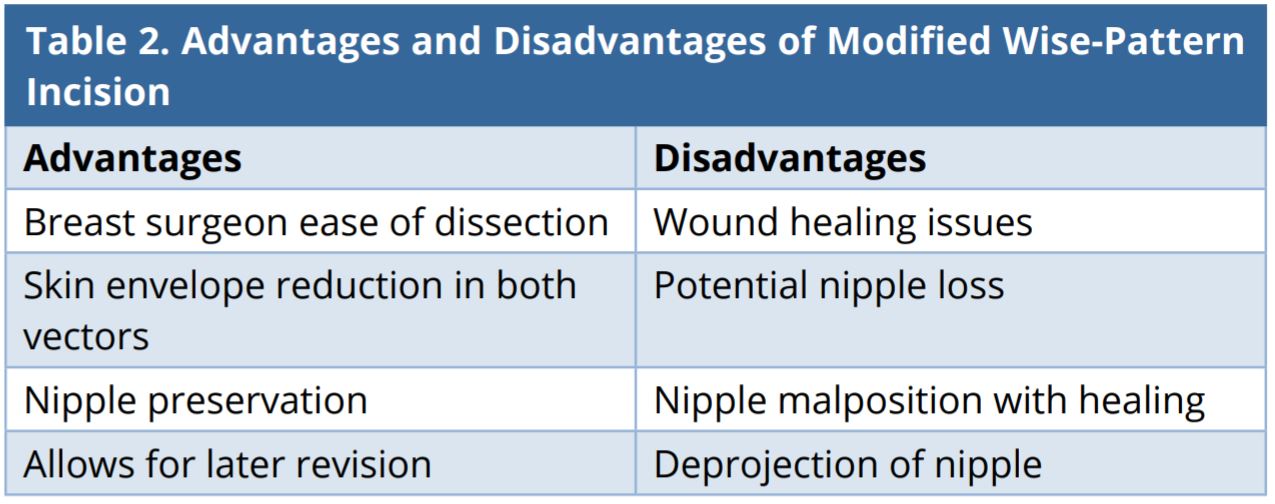
Microsurgical Flaps in Nipple Sparing Mastectomy Surgical Techniques

Clinical images of case 3 (a and b) Preoperative assessment length and
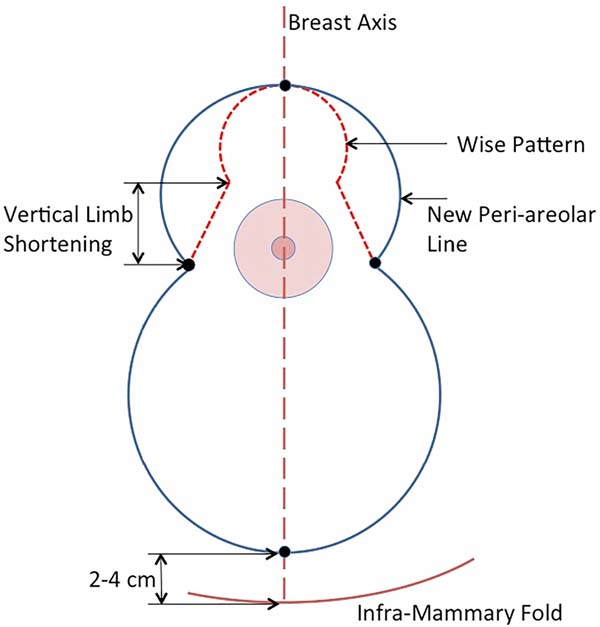
RBCP Simplified planning and marking of mastopexy and reduction

(PDF) Wisepattern Splitreduction Incision to Facilitate Mastectomy
EPOS™

Watch Breast Reduction with Medial Pedicle Wise Pattern on PSEN YouTube

Figure 1 from Reduction mammoplasty. What radiologists should know

(A) Inverted T mammaplasty design with Wise pattern. (B) Standard

(PDF) Reduction Mammaplasty in Adolescents A Comparison of Wise and

The overWise mammoplasty a modified Wise pattern for large
Web The Utilization Of The Wise Inverted T Pattern In Patients With Macromastia Enables The Plastic Surgeon To Avoid A Mid Breast Horizontal Incision With Ensuing Large.
The Periareolar Incision Allows The Areola And Nipple.
Symptomatic Macromastia, Including Neck Pain,.
The Horizontal Skin Excision Allows Shortening Of The Vertical Scar Length To Restore Balance To The Breast Shape And Correct Pseudoptosis Of The Gland.
Related Post: