
Paj Ntaub Pattern
Paj Ntaub Pattern - Each design has a meaning related to hmong history and culture. Web for a people with no home, paj ntaub, which literally translates to “flower cloth,” became a way to hold onto history and culture. Web “hmong embroidery,” known as “paj ntaub,” is a testament to the enduring legacy and creativity of the hmong people. Web paj ntaub (flower cloth), created by embroidery, appliqué, reverse appliqué, and indigo batik (among the blue or green hmong), were primary transmitters of hmong culture from one generation to. Hmong women coded onto clothing their language in order to disguise their stories from their oppressors. Paj ntaub is the hmong word to describe all of the techniques used by hmong women to decorate cloth for clothing. Web common motifs in hmong paj ntaub patterns include flowers, geometric shapes like diamonds and squares, animals such as birds and elephants, and spiritual symbols. Web explore the history of paj ntaub, from decorative embroidery to secret hidden language during times of rebellion to history preservation in story cloths. The most widely recognized modern. Each motif carries its symbolic meaning, reflecting hmong culture and beliefs. Each motif carries its symbolic meaning, reflecting hmong culture and beliefs. Web hmong women created paj ntaub, or flower cloths, that use geometric designs to pass stories to their children. Web a common story shared by many elders say that paj ntaub (flower cloth) are the remnants of the hmong language. Paj ntaub is the hmong word to describe all of the techniques used by hmong women to decorate cloth for clothing. Web explore the history of paj ntaub, from decorative embroidery to secret hidden language during times of rebellion to history preservation in story cloths. Web “hmong embroidery,” known as “paj ntaub,” is a testament to the enduring legacy and creativity of the hmong people. “flower cloth”) made by hmong women of southeast asia are delicate patterns executed in appliqué and reverse appliqué with embroidered embellishments. “paj” means “flower” and “ntaub” means “cloth.” while the term has generally been translated in the past as traditional hmong needlework, it’s important to note that some paj ntaub work is done without needles at all — like batik! Web what is pa_i ntaub? The most widely recognized modern. The techniques hmong women practise are: Web a common story shared by many elders say that paj ntaub (flower cloth) are the remnants of the hmong language. This traditional needlework or cloth embroidery dates back several centuries and is an art form of creating patterns and designs with thousands needle strokes on a fabric cloth. Hmong women coded onto clothing. This traditional needlework or cloth embroidery dates back several centuries and is an art form of creating patterns and designs with thousands needle strokes on a fabric cloth. Learn how the ancient practice of paj ntaub embroidery is an. Web what is pa_i ntaub? The most widely recognized modern. Hmong women coded onto clothing their language in order to disguise. The designs are often based on natural objects such as the elephant’s foot, birds, or flowers. Web new styles of paj ntaub were developed to be sold to tourists in thailand and to americans in the u.s. The most widely recognized modern. Web hmong women created paj ntaub, or flower cloths, that use geometric designs to pass stories to their. Each design has a meaning related to hmong history and culture. The designs are often based on natural objects such as the elephant’s foot, birds, or flowers. Web paj ntaub (flower cloth), created by embroidery, appliqué, reverse appliqué, and indigo batik (among the blue or green hmong), were primary transmitters of hmong culture from one generation to. This traditional needlework. Hmong women coded onto clothing their language in order to disguise their stories from their oppressors. Web this paper proposes a novel perspective to examining the paj ntaub by using anthropological symmetry, the gestalt theory on perception, and ethnographic analysis of the culture, meanings, and choices in design embedded in the textiles, as well as the process of making of. Hmong women coded onto clothing their language in order to disguise their stories from their oppressors. The techniques hmong women practise are: Embroidery, batik, reverse applique, and story cloth stitchery, a type of embroidery which has Paj means flower and ntaub means cloth. “flower cloth”) made by hmong women of southeast asia are delicate patterns executed in appliqué and reverse. “flower cloth”) made by hmong women of southeast asia are delicate patterns executed in appliqué and reverse appliqué with embroidered embellishments. Web hmong women adapted traditional motifs, and developed new styles of paj ntaub and crafts for commercial purposes, especially targeted to tourists and the western market. The geometric designs are created by cutting and layering fabrics that are then. Web paj ntaub (flower cloth), created by embroidery, appliqué, reverse appliqué, and indigo batik (among the blue or green hmong), were primary transmitters of hmong culture from one generation to. Learn how the ancient practice of paj ntaub embroidery is an. Web explore the history of paj ntaub, from decorative embroidery to secret hidden language during times of rebellion to. Web check out our paj ntaub pattern selection for the very best in unique or custom, handmade pieces from our art & collectibles shops. Paj means flower and ntaub means cloth. See more ideas about cross stitch patterns, cross stitch, hmong. “flower cloth”) made by hmong women of southeast asia are delicate patterns executed in appliqué and reverse appliqué with. Web new styles of paj ntaub were developed to be sold to tourists in thailand and to americans in the u.s. Each design has a meaning related to hmong history and culture. The designs are often based on natural objects such as the elephant’s foot, birds, or flowers. The geometric designs are created by cutting and layering fabrics that are. Learn how the ancient practice of paj ntaub embroidery is an. Web the intricate paj ntaub (hmong: The most widely recognized modern. Paj means flower and ntaub means cloth. Web the design motifs listed here are typically found on many types of hmong embroidery and story cloths (paj ntaub). See more ideas about cross stitch patterns, cross stitch, hmong. The designs are often based on natural objects such as the elephant’s foot, birds, or flowers. From traditional textile decorations on clothes, they developed tapestries or story cloths. “flower cloth”) made by hmong women of southeast asia are delicate patterns executed in appliqué and reverse appliqué with embroidered embellishments. Meet hmong paj ntaub artists suzanne thao and mandora young, hmong artist tousue vang, and hmong chef yia vang. Web paj ntaub means flower cloth. Web “hmong embroidery,” known as “paj ntaub,” is a testament to the enduring legacy and creativity of the hmong people. Web new styles of paj ntaub were developed to be sold to tourists in thailand and to americans in the u.s. Web explore the history of paj ntaub, from decorative embroidery to secret hidden language during times of rebellion to history preservation in story cloths. Embroidery, batik, reverse applique, and story cloth stitchery, a type of embroidery which has Web paj ntaub (flower cloth), created by embroidery, appliqué, reverse appliqué, and indigo batik (among the blue or green hmong), were primary transmitters of hmong culture from one generation to.
qauv paj ntaub hmoob, hmong embroidery cross stitch ♥ 9.10.2020 YouTube
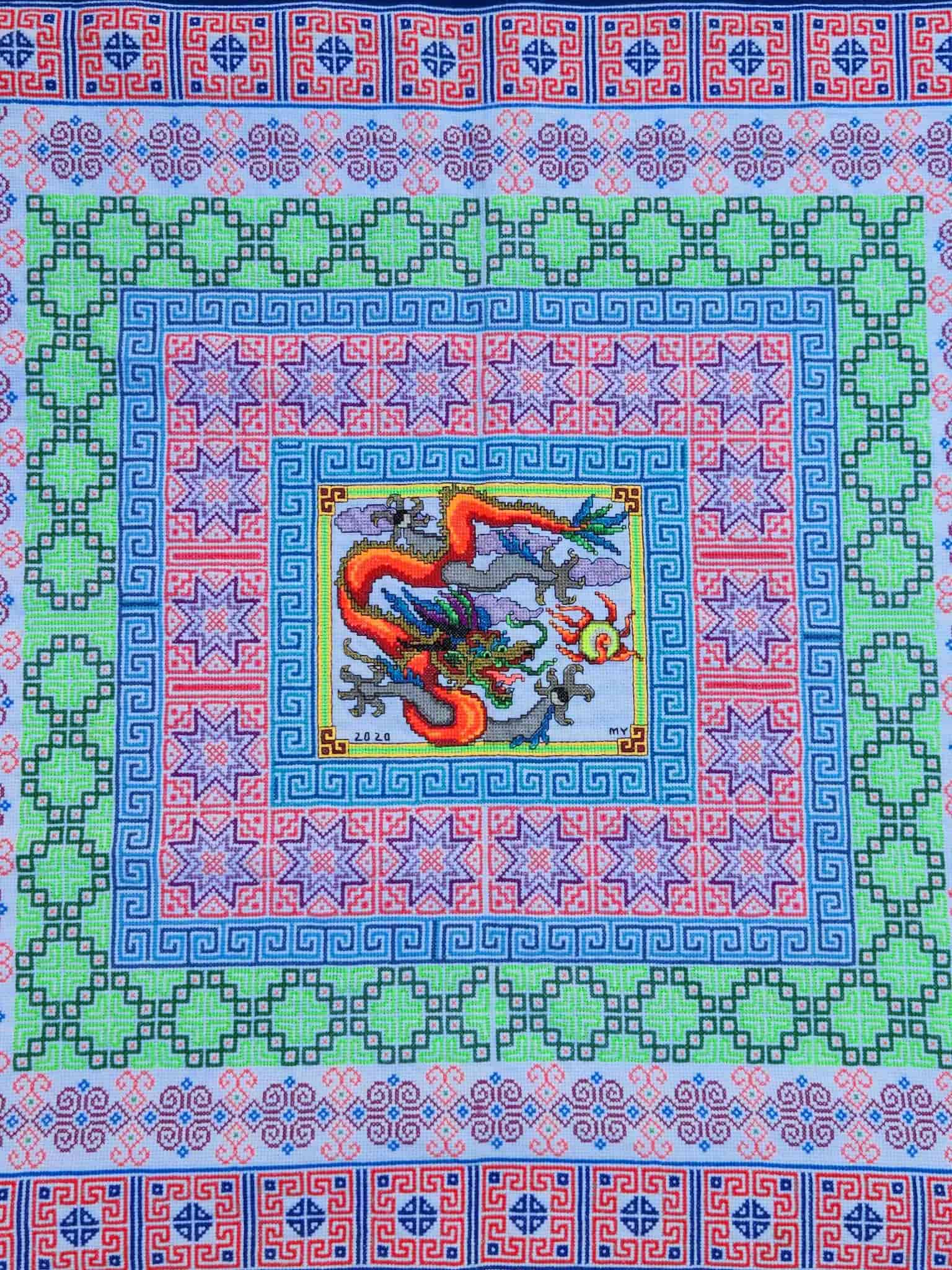
» Hmong Paj Ntaub Embroidery with Mandora Young

Hmong Paj Ntaub Patterns Pattern.rjuuc.edu.np

Hmong Paj Ntaub Patterns Pattern.rjuuc.edu.np

Pin on Paj ntaub tawm laug thiab ligplooj

A cross stitch Hmong paj ntaub I was working on. A sev. Hmong

Hmong Paj Ntaub Textile Art Needlework Quilt Flower Cloth CrossStitch

Hmong Paj Ntaub Textile Art Needlework Quilt Flower Cloth Etsy in

Easy Paj Ntaub Designs template
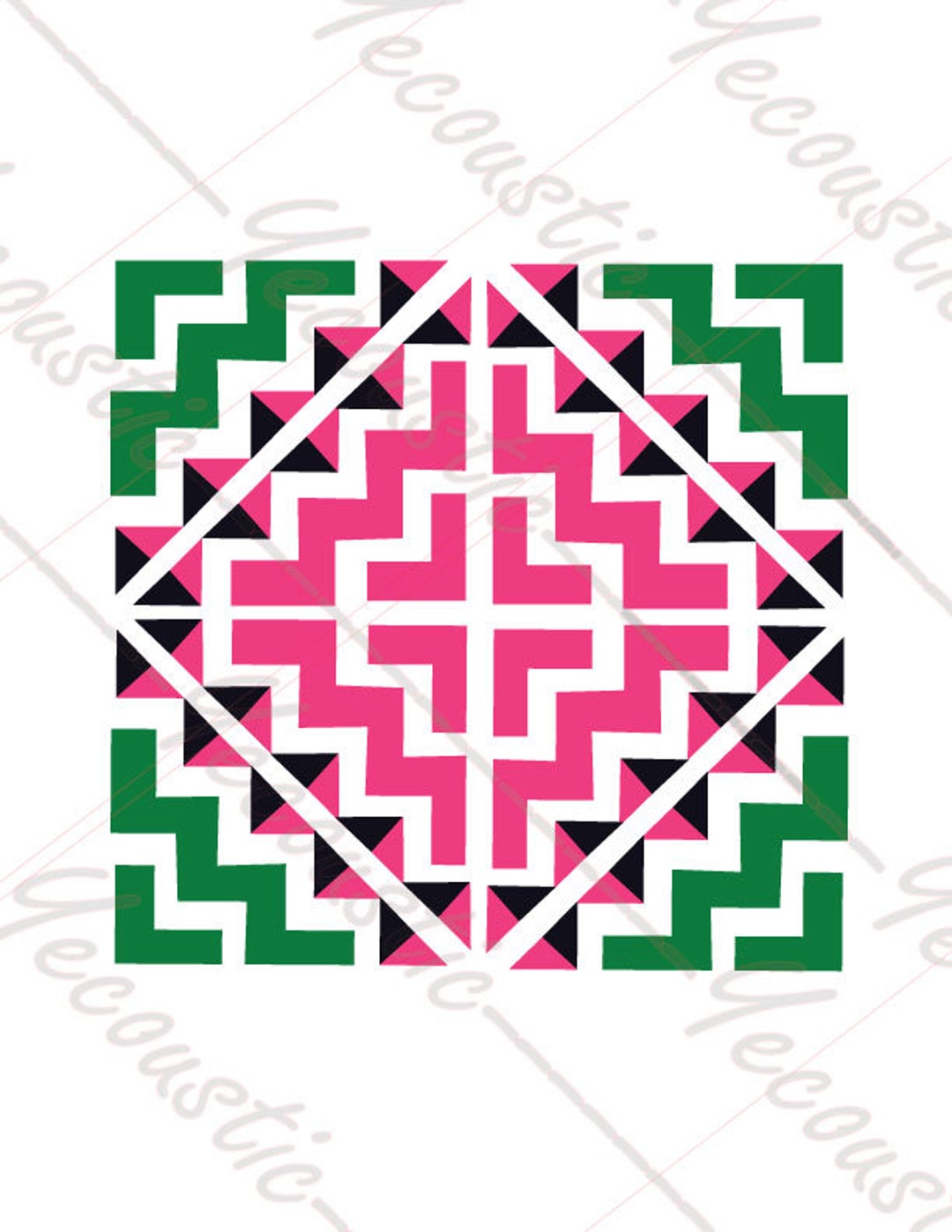
Hmong Lotus Design paj Ntaub Etsy
Web Hmong Women Adapted Traditional Motifs, And Developed New Styles Of Paj Ntaub And Crafts For Commercial Purposes, Especially Targeted To Tourists And The Western Market.
Web Common Motifs In Hmong Paj Ntaub Patterns Include Flowers, Geometric Shapes Like Diamonds And Squares, Animals Such As Birds And Elephants, And Spiritual Symbols.
Web Hmong Textile Art Consists Of Traditional And Modern Textile Arts And Crafts Produced By The Hmong People.
Through Intricate Stitches And Vibrant Designs, This Traditional Art Form Preserves The Cultural Identity, History, And Beliefs Of.
Related Post: