
Capsular Pattern Of Shoulder
Capsular Pattern Of Shoulder - Over time, the shoulder becomes very hard to move. Web frozen shoulder, also called adhesive capsulitis, is a condition involving pain and stiffness in your shoulder joint. Web the dynamic stabilisers of the shoulder complex include the rotator cuff muscles, the deltoid, and the scapular muscles, which control scapulohumeral rhythm. Signs and symptoms typically begin slowly, then get worse. This has been explained in shoulder mobilization. Web the common capsular pattern of limitation has historically been described as diminishing motions with external shoulder rotation being the most limited, followed. Web summarize the pathophysiology of frozen shoulder/adhesive capsulitis. Web adhesive capsulitis, also known as “frozen shoulder,” is a common shoulder condition characterized by pain and decreased range of motion, especially in external. A capsular pattern is a proportional motion restriction unique to every joint that. Web frozen shoulder or adhesive capsulitis describes the common shoulder condition characterized by painful and limited active and passive range of motion. Symptoms usually start slowly and get worse over time. Signs and symptoms typically begin slowly, then get worse. When we apply the concept of. Web a capsular pattern is therefore evident with most loss of external rotation followed by flexion/abduction and then internal rotation. Web the dynamic stabilisers of the shoulder complex include the rotator cuff muscles, the deltoid, and the scapular muscles, which control scapulohumeral rhythm. Web pain pattern changes from constant to end range pain of reduced intensity. Web frozen shoulder, also called adhesive capsulitis, causes pain and stiffness in the shoulder. Web adhesive capsulitis, also known as frozen shoulder, is a condition associated with shoulder pain and stiffness. Web for example, the shoulder's capsular pattern is as follows: Resolution or thawing phase, where there is. Web adhesive capsulitis, also known as “frozen shoulder,” is a common shoulder condition characterized by pain and decreased range of motion, especially in external. Symptoms usually start slowly and get worse over time. The capsular pattern is a combination of pain and/or limitation, which points in the direction. Web patients present with constant shoulder pain and range of motion (rom). Web summarize the pathophysiology of frozen shoulder/adhesive capsulitis. Web frozen shoulder, also called adhesive capsulitis, involves stiffness and pain in the shoulder joint. Web patients with frozen shoulder commonly present with rom restrictions in a capsular pattern. A capsular pattern is a proportional motion restriction unique to every joint that. Web adhesive capsulitis, also known as frozen shoulder, is a. Web a capsular pattern of restriction is a limitation of pain and movement in a joint specific ratio, which is usually present with arthritis, or following prolonged immobilization. Web frozen shoulder, also called adhesive capsulitis, is a condition involving pain and stiffness in your shoulder joint. The joint capsule itself may exhibit thickening and fibrosis, leading to a loss of. Signs and symptoms typically begin slowly, then get worse. Web the common capsular pattern of limitation has historically been described as diminishing motions with external shoulder rotation being the most limited, followed. Web for example, the shoulder's capsular pattern is as follows: Web a capsular pattern of restriction is a limitation of pain and movement in a joint specific ratio,. It is a common shoulder ailment that is marked by pain. Over time, the shoulder becomes very hard to move. Web although the term fs and adhesive capsulitis have been used quite extensively, current isakos guidelines favour use of the term frozen shoulder and. Web adhesive capsulitis, also known as frozen shoulder, is a condition associated with shoulder pain and. This condition is called adhesive. Most limitation in passive lateral rotation, some limitation in passive scapulohumeral abduction, and. A capsular pattern is a proportional motion restriction unique to every joint that. Web for example, the shoulder's capsular pattern is as follows: Web adhesive capsulitis, also known as “frozen shoulder,” is a common shoulder condition characterized by pain and decreased range. Web frozen shoulder, also called adhesive capsulitis, is a condition involving pain and stiffness in your shoulder joint. When we apply the concept of. The joint capsule itself may exhibit thickening and fibrosis, leading to a loss of rom and shoulder joint stiffness. Web patients present with constant shoulder pain and range of motion (rom) limitations in a capsular pattern. When we apply the concept of. Web frozen shoulder or adhesive capsulitis describes the common shoulder condition characterized by painful and limited active and passive range of motion. Over time, the shoulder becomes very hard to move. Web adhesive capsulitis, also known as frozen shoulder, is a condition associated with shoulder pain and stiffness. What is a capsular pattern? Web frozen shoulder or adhesive capsulitis describes the common shoulder condition characterized by painful and limited active and passive range of motion. This has been explained in shoulder mobilization. Web frozen shoulder, also called adhesive capsulitis, causes pain and stiffness in the shoulder. Web although the term fs and adhesive capsulitis have been used quite extensively, current isakos guidelines favour. Describe the diagnostic approach for evaluating adhesive capsulitis. Web frozen shoulder or adhesive capsulitis describes the common shoulder condition characterized by painful and limited active and passive range of motion. The joint capsule itself may exhibit thickening and fibrosis, leading to a loss of rom and shoulder joint stiffness. This has been explained in shoulder mobilization. Symptoms usually start slowly. Web adhesive capsulitis, also known as frozen shoulder, is a condition associated with shoulder pain and stiffness. What is a capsular pattern? Web shoulder joint mobilisation follows a definitive pattern based on the concave convex rule. Web the dynamic stabilisers of the shoulder complex include the rotator cuff muscles, the deltoid, and the scapular muscles, which control scapulohumeral rhythm. Over time, the shoulder becomes very hard to move. A capsular pattern is a proportional motion restriction unique to every joint that. Web frozen shoulder, also called adhesive capsulitis, is a condition involving pain and stiffness in your shoulder joint. This has been explained in shoulder mobilization. Web patients with frozen shoulder commonly present with rom restrictions in a capsular pattern. Web frozen shoulder or adhesive capsulitis describes the common shoulder condition characterized by painful and limited active and passive range of motion. When we apply the concept of. Symptoms usually start slowly and get worse over time. Web the common capsular pattern of limitation has historically been described as diminishing motions with external shoulder rotation being the most limited, followed. Web for example, the shoulder's capsular pattern is as follows: Web summarize the pathophysiology of frozen shoulder/adhesive capsulitis. Web as the capsule's folds become scarred and tightened, shoulder movement becomes restricted and moving the joint becomes painful.Frozen Shoulder Adhesive Capsulitis OrthoInfo AAOS

Capsular Pattern Of Shoulder sharedoc

Capsular pattern of the shoulder labquiz

Mr Paul Jarrett Adhesive Capsulitis / Frozen Shoulder Murdoch

Capsular pattern of the shoulder labquiz
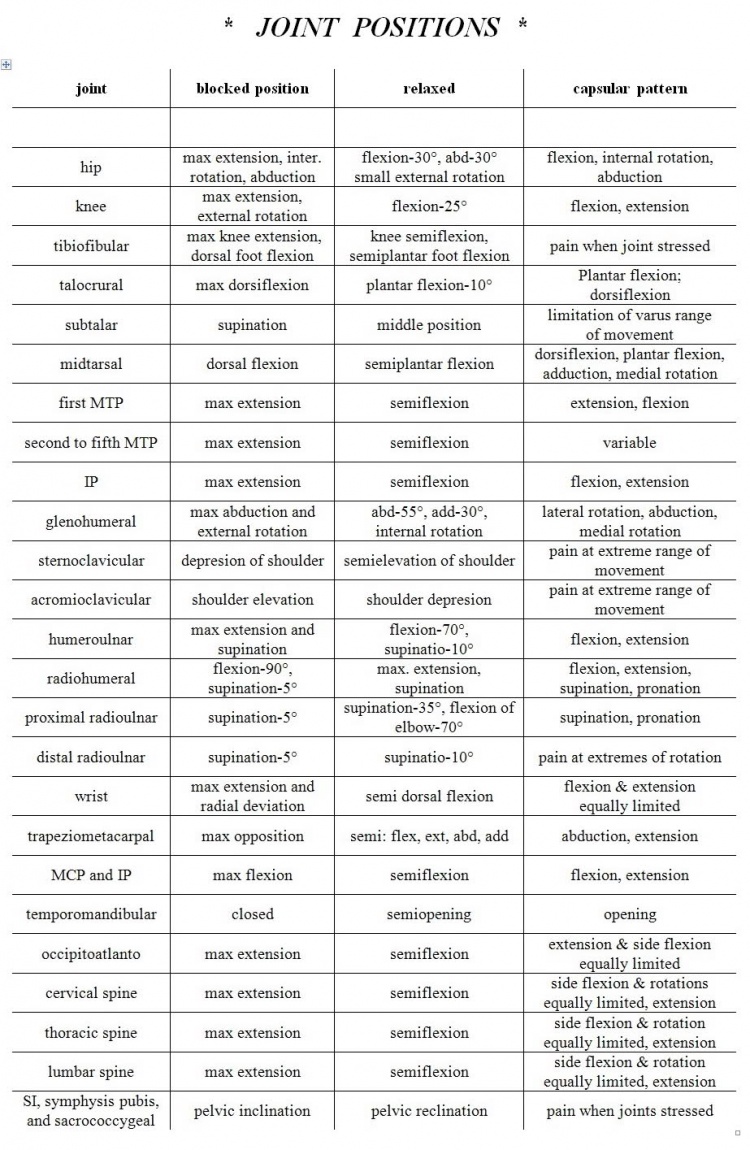
Capsular and Noncapsular Patterns Physiopedia

capsular pattern shoulder YouTube
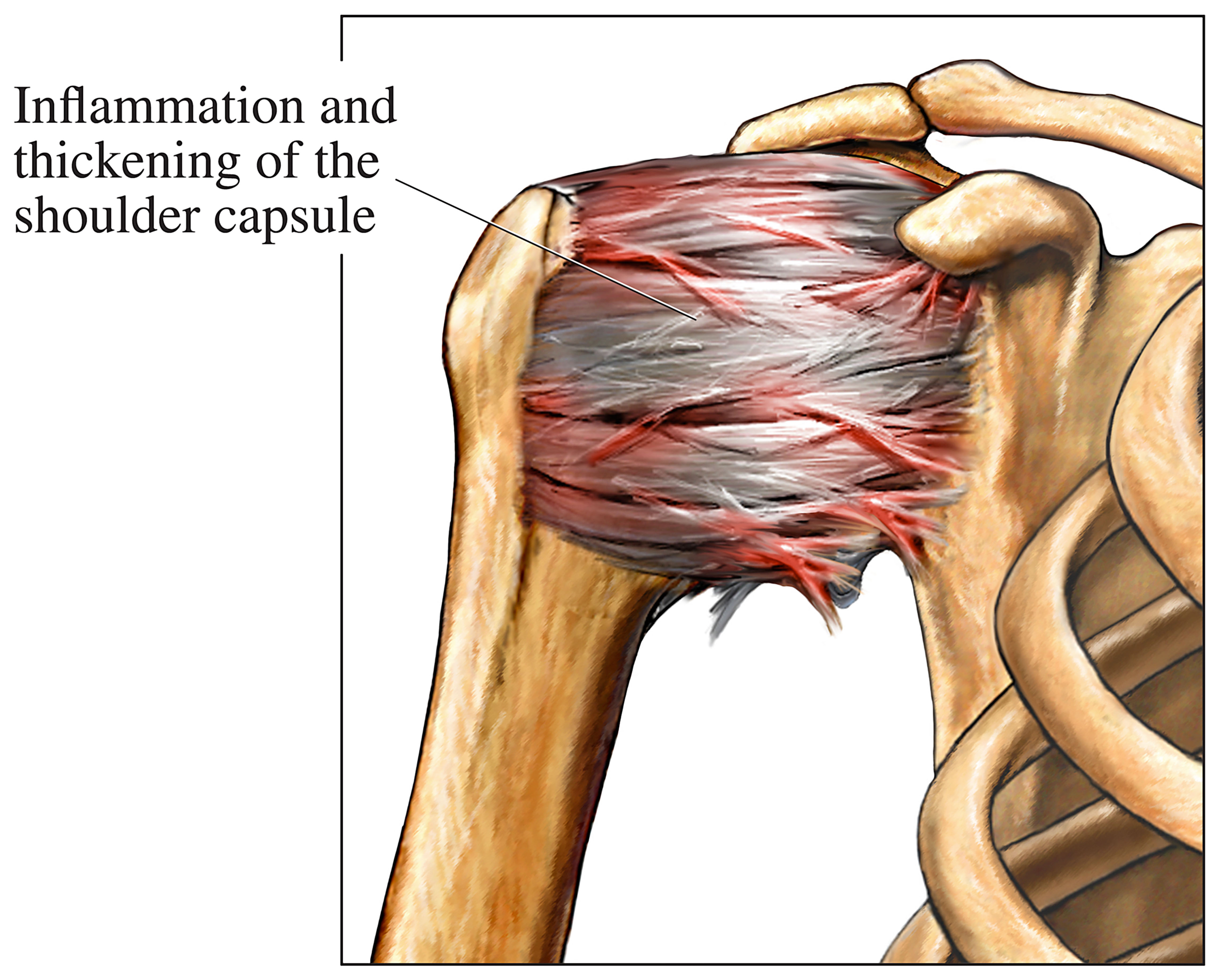
Adhesive Capsulitis of the Shoulder Therapists in Galway Therapists

Posterior Capsular Contracture of the Shoulder JAAOS Journal of the

What Is Capsular Pattern Of Shoulder Margaret Greene Kapsels
Web A Capsular Pattern Is Therefore Evident With Most Loss Of External Rotation Followed By Flexion/Abduction And Then Internal Rotation.
Resolution Or Thawing Phase, Where There Is.
The Joint Capsule Itself May Exhibit Thickening And Fibrosis, Leading To A Loss Of Rom And Shoulder Joint Stiffness.
Web A Capsular Pattern Of Restriction Is A Limitation Of Pain And Movement In A Joint Specific Ratio, Which Is Usually Present With Arthritis, Or Following Prolonged Immobilization.
Related Post: