
14 Patterns Of Biophilic Design
14 Patterns Of Biophilic Design - This white paper categorises the different relationships between natural elements and humans in the built environment. Terrapin added a fifteenth pattern entitled “awe” in 2020. Navigate below to learn more about each specific pattern and how it can be used within the built environment. This principle addresses the psychological and physiological importance for humans to view what happens in nature. Nature in the space patterns. As the world population continues to urbanize, these qualities are ever more important. Web “14 patterns of biophilic design” articulates the relationships between nature, human biology and the design of the built environment so that we may experience the human benefits of biophilia in our design applications. Nature in the space, natural analogues and nature of the space. Web biophilic design explains how the built environment and the surviving ecosystem can be brought together incoherently. Biophilia in context looks as the evolution of biophilic design in architecture Web 14 patterns of biophilic design: As the world population continues to urbanize these qualities are ever more important. Complexity, as one of the more abstract biophilic concepts, has gained quite a bit of traction as a welcomed design challenge. Web the 14 phases are divided into three categories: This helps connect us to the natural environment. Nature in the space, natural As the world population continues to urbanize, these qualities are ever more important. Web 14 patterns of biophilic design terrapin bright green, 2014. As the world population continues to urbanize, these qualities are ever more important. As the world population continues to urbanize, these qualities are ever more important. What is biophilia and biophilic design? Web learn the goals and patterns of biophilic design, the research explaining the major benefits for people, and view lots of examples! Web the '14 patterns of biophilic design' is a publication that presents a series of tools for understanding elements of biophilic design, as well as the science behind them. Web “14 patterns. The idea of biophilia originates in an understanding of human evolution, where for more than 99% of our species history we biologically developed in adaptive response to natural not artificial or. Web prompted by an effort to help google promote wellness in its workspaces, the 14 patterns pin down a language to discuss and differentiate the many ways design firms. Nature in the space, natural analogues and nature of the space. Web prompted by an effort to help google promote wellness in its workspaces, the 14 patterns pin down a language to discuss and differentiate the many ways design firms might inspire a connection to nature. Web for builders and homeowners alike, these 14 patterns of biophilic design offer a. Web this paper puts biophilic design in context with architectural history, health sciences and current architectural practices, and briefly touches on key implementation considerations, then presents biophilic design patterns. Nature in the space patterns. As the world population continues to urbanize, these qualities are ever more important. As the world population continues to urbanize these qualities are ever more important.. Web the 14 patterns are grouped into three categories: Web “14 patterns of biophilic design” articulates the relationships between nature, human biology and the design of the built environment so that we may experience the human benefits of biophilia in our design applications. Nature in the space, natural analogues and nature of the space. Nature in the space, natural Web. This principle addresses the psychological and physiological importance for humans to view what happens in nature. Web prompted by an effort to help google promote wellness in its workspaces, the 14 patterns pin down a language to discuss and differentiate the many ways design firms might inspire a connection to nature. Web articulates relationships between nature, human biology, and the. Web biophilic design explains how the built environment and the surviving ecosystem can be brought together incoherently. As the world population continues to urbanize, these qualities are ever more important. Complexity, as one of the more abstract biophilic concepts, has gained quite a bit of traction as a welcomed design challenge. Web the 14 phases are divided into three categories:. Web the 14 phases are divided into three categories: We talk about the objective of the complexity & order pattern (#10) as a means for creating a visually nourishing environment, based on an understanding of the. As the world population continues to urbanize these qualities are ever more important. Web “14 patterns of biophilic design” articulates the relationships between nature,. The idea of biophilia originates in an understanding of human evolution, where for more than 99% of our species history we biologically developed in adaptive response to natural not artificial or. We talk about the objective of the complexity & order pattern (#10) as a means for creating a visually nourishing environment, based on an understanding of the. This helps. As the world population continues to urbanize, these qualities are ever more important. Biophilia in context looks as the evolution of biophilic design in architecture The patterns can be categorised into three types: The article by terrapin bright green talks about 14 different patterns that are recognized and associated between. Web 14 patterns of biophilic design terrapin bright green, 2014. Web learn the goals and patterns of biophilic design, the research explaining the major benefits for people, and view lots of examples! Nature in the space, natural analogues and nature of the space. Terrapin added a fifteenth pattern entitled “awe” in 2020. As the world population continues to urbanize, these qualities are ever more important. What is biophilia and biophilic design? Web “14 patterns of biophilic design” articulates the relationships between nature, human biology and the design of the built environment so that we may experience the human benefits of biophilia in our design applications. Biophilia in context looks as the evolution of biophilic design in architecture Navigate below to learn more about each specific pattern and how it can be used within the built environment. As the world population continues to urbanize, these qualities are ever more important. Web prompted by an effort to help google promote wellness in its workspaces, the 14 patterns pin down a language to discuss and differentiate the many ways design firms might inspire a connection to nature. As the world population continues to urbanize, these qualities are ever more important. Web biophilic design explains how the built environment and the surviving ecosystem can be brought together incoherently. Complexity, as one of the more abstract biophilic concepts, has gained quite a bit of traction as a welcomed design challenge. This white paper categorises the different relationships between natural elements and humans in the built environment. The patterns can be categorised into three types: Web this systematic review aims to examine the experience of hospital users with a view to informing a standardized biophilic design framework to improve future design in this context and provides benchmark information for future research and design guidance in these environments.
14 Patterns Of Biophilic Design Design Talk
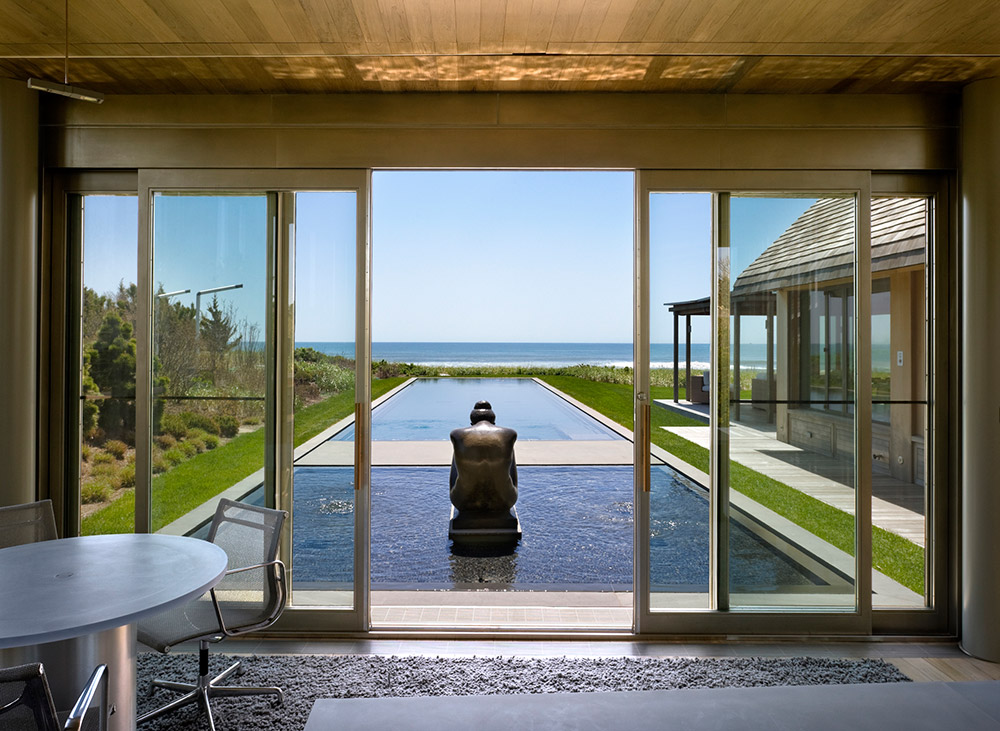
14 Patterns of Biophilic Design
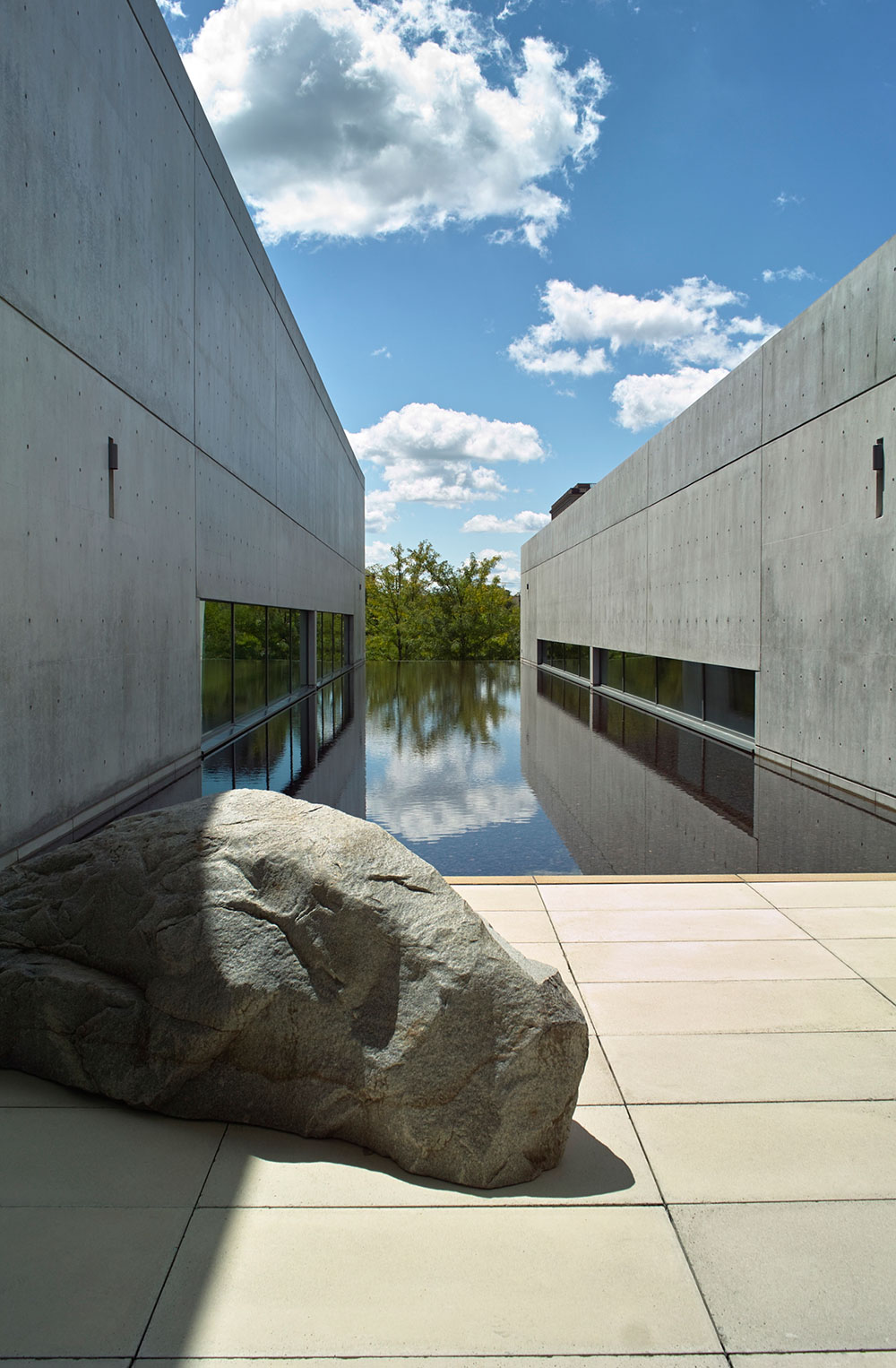
14 Patterns of Biophilic Design

14 Patterns of biophilic design adapted from Browning et al. (2014
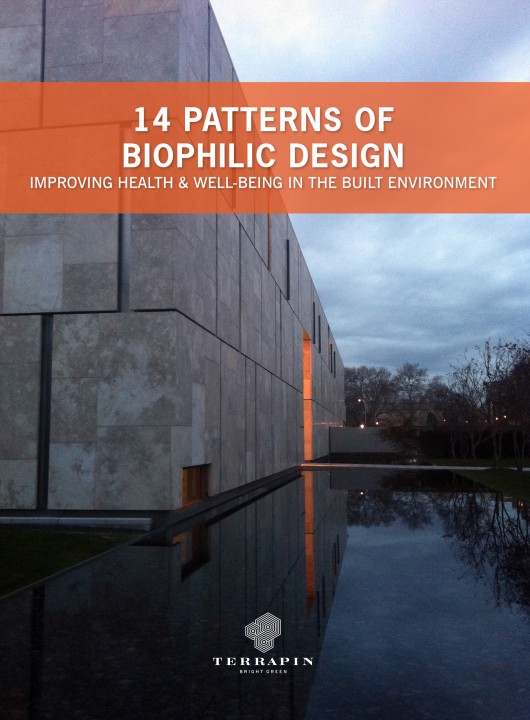
14 Patterns of Biophilic Design Terrapin Bright Green
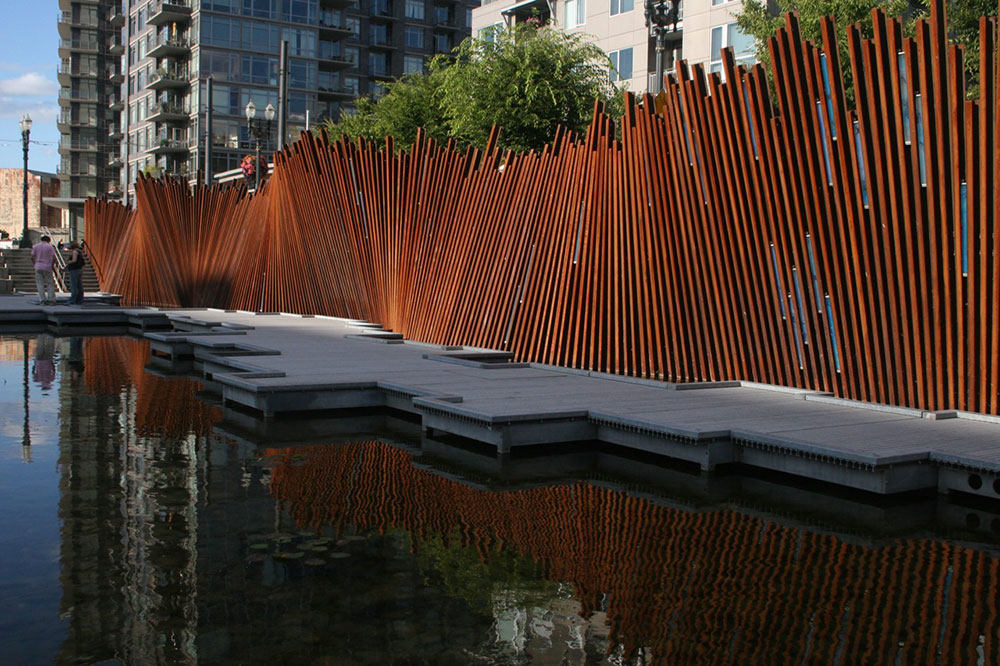
14 Patterns of Biophilic Design
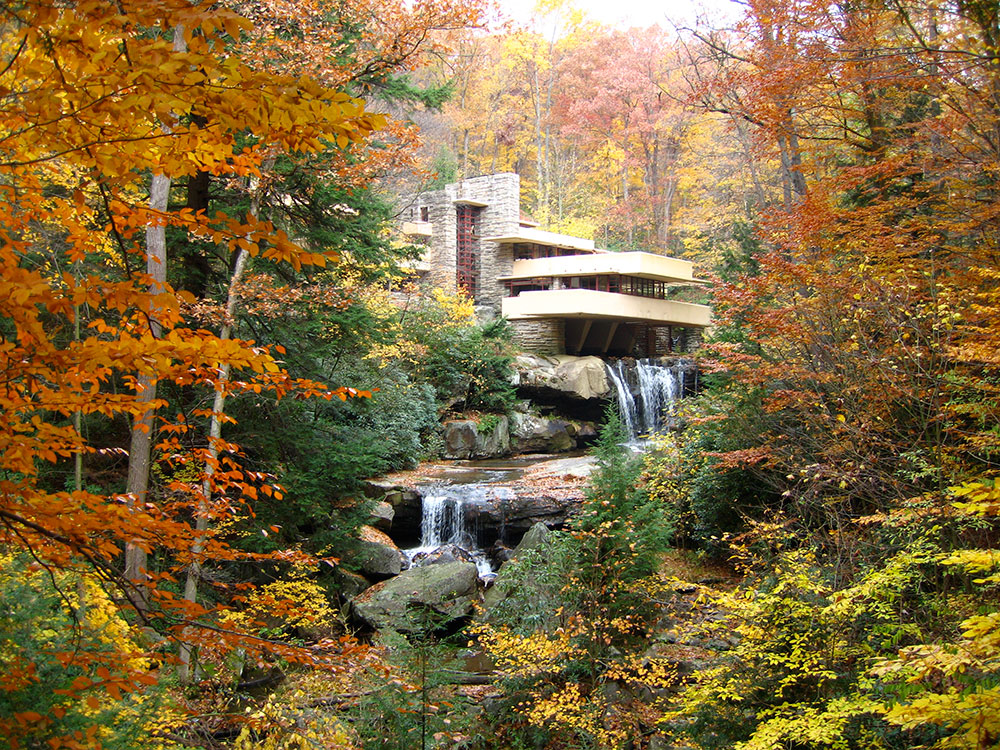
14 Patterns of Biophilic Design
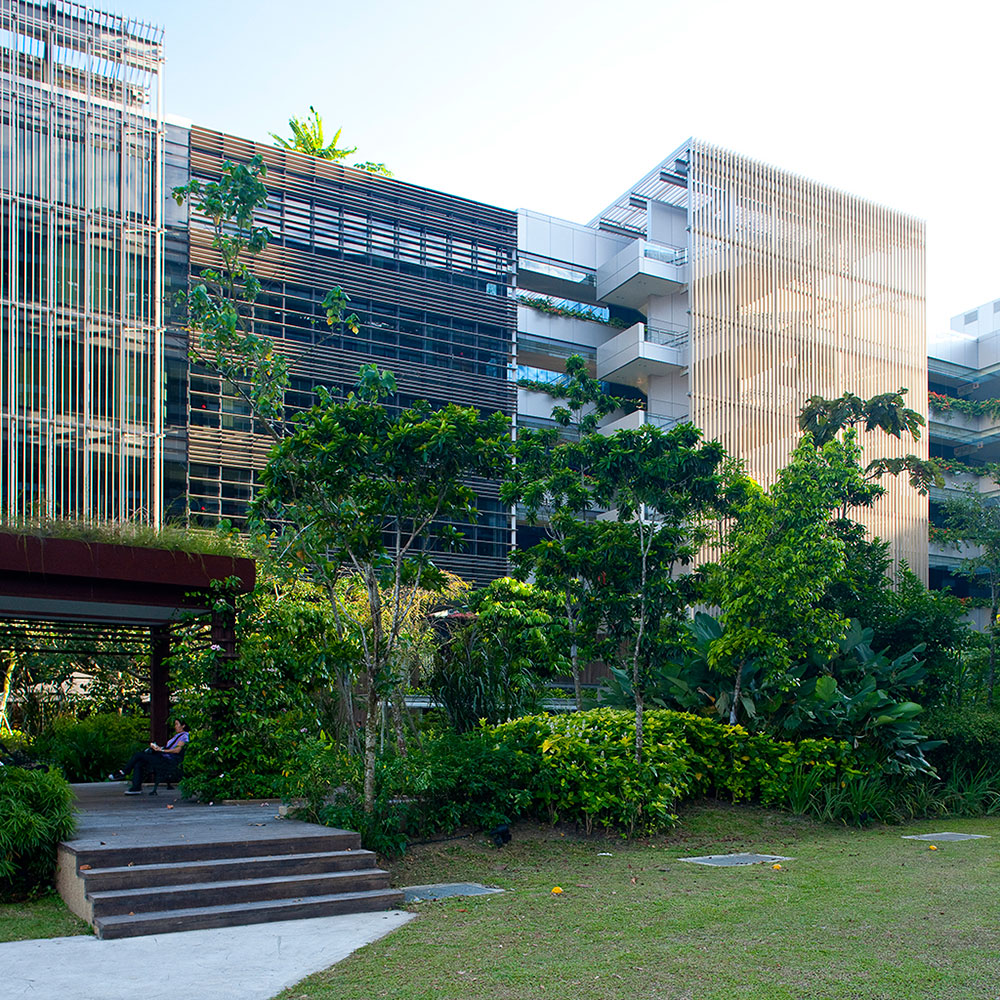
14 Patterns of Biophilic Design
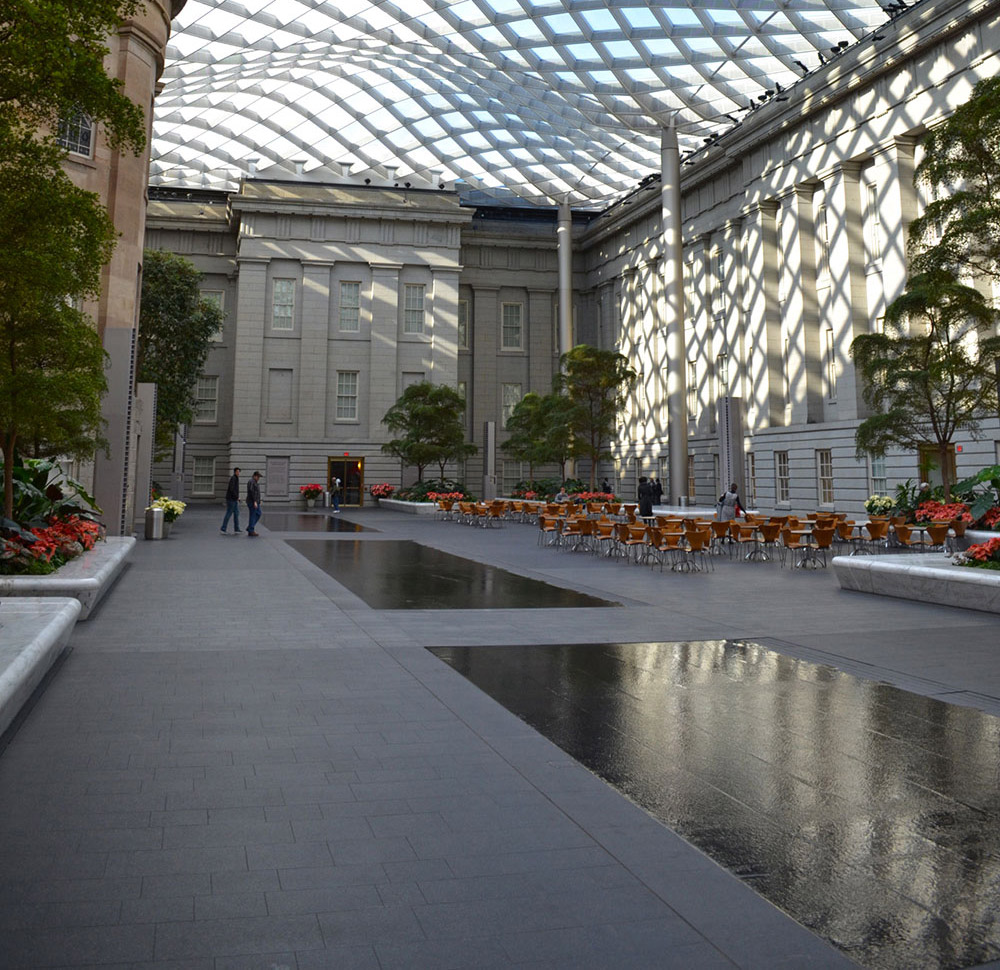
14 Patterns of Biophilic Design
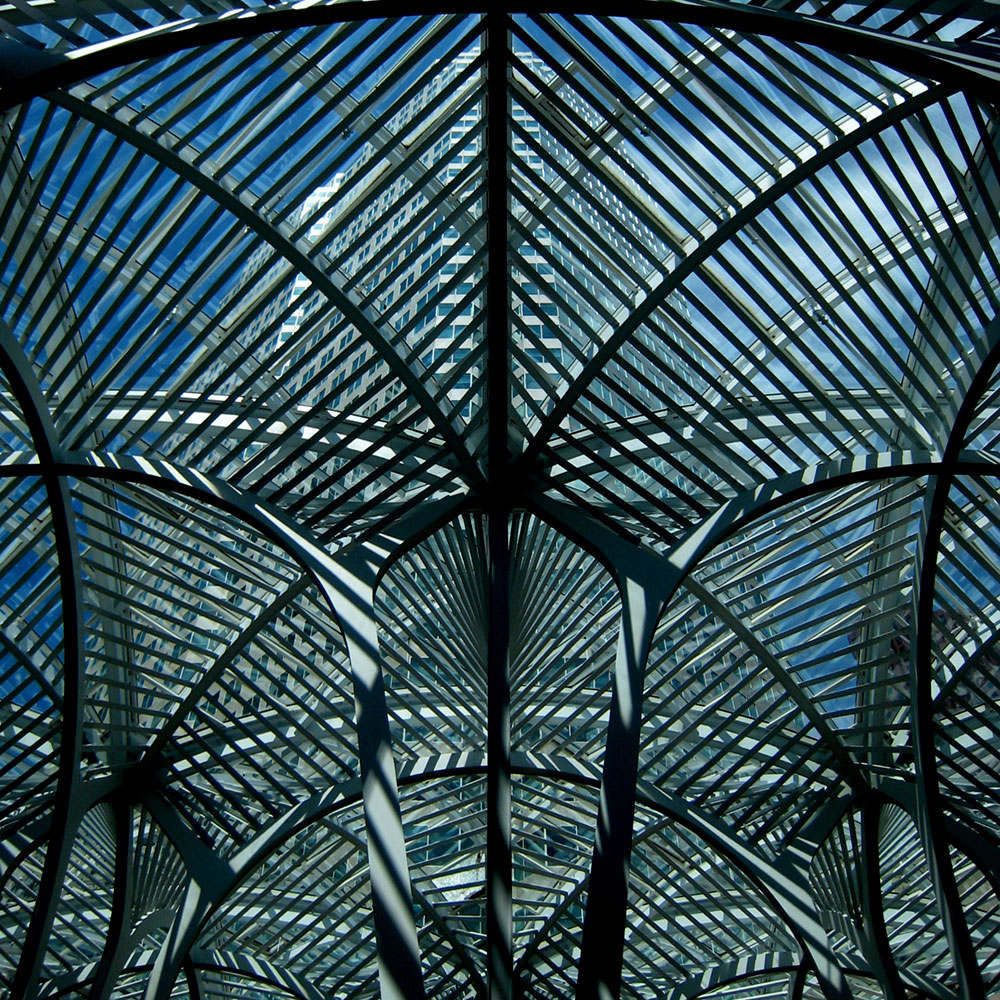
14 Patterns of Biophilic Design
We Talk About The Objective Of The Complexity & Order Pattern (#10) As A Means For Creating A Visually Nourishing Environment, Based On An Understanding Of The.
Web In 2014, Terrapin Published The 14 Patterns Of Biophilic Design, Including Three Categories And Fourteen Patterns.
As The World Population Continues To Urbanize These Qualities Are Ever More Important.
The Idea Of Biophilia Originates In An Understanding Of Human Evolution, Where For More Than 99% Of Our Species History We Biologically Developed In Adaptive Response To Natural Not Artificial Or.
Related Post: